What Finnish food actually is
A map, not a cuisine
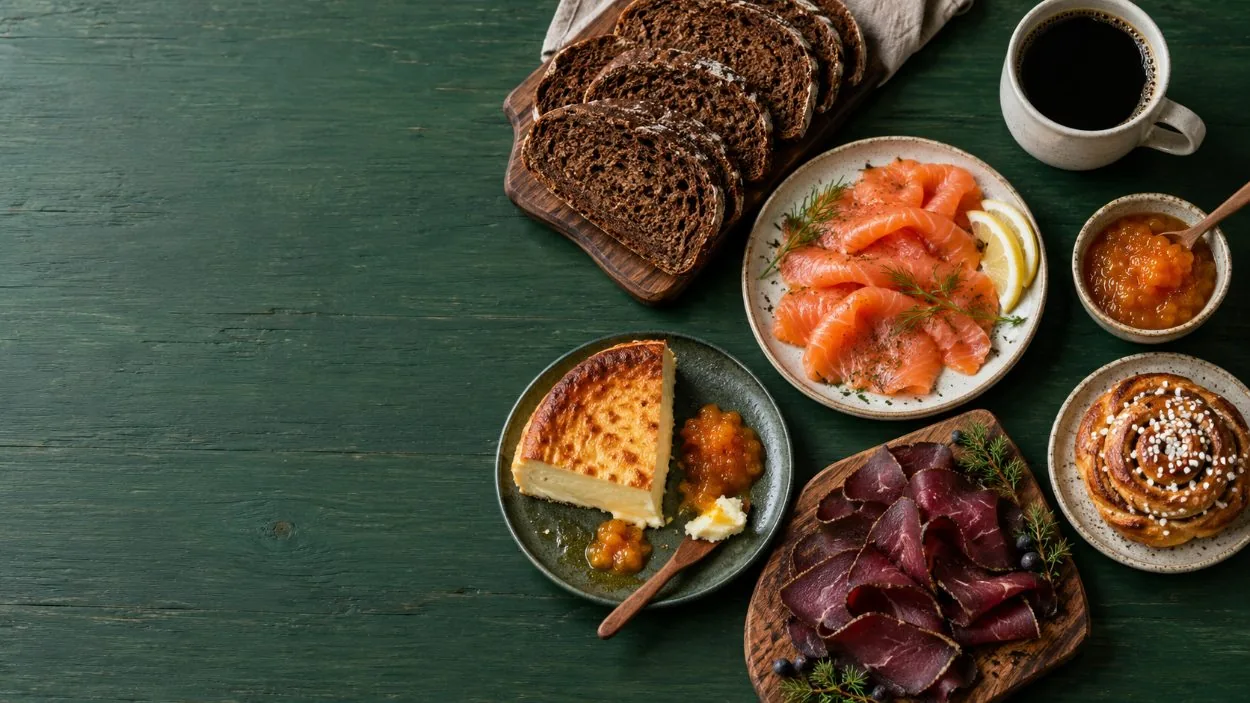
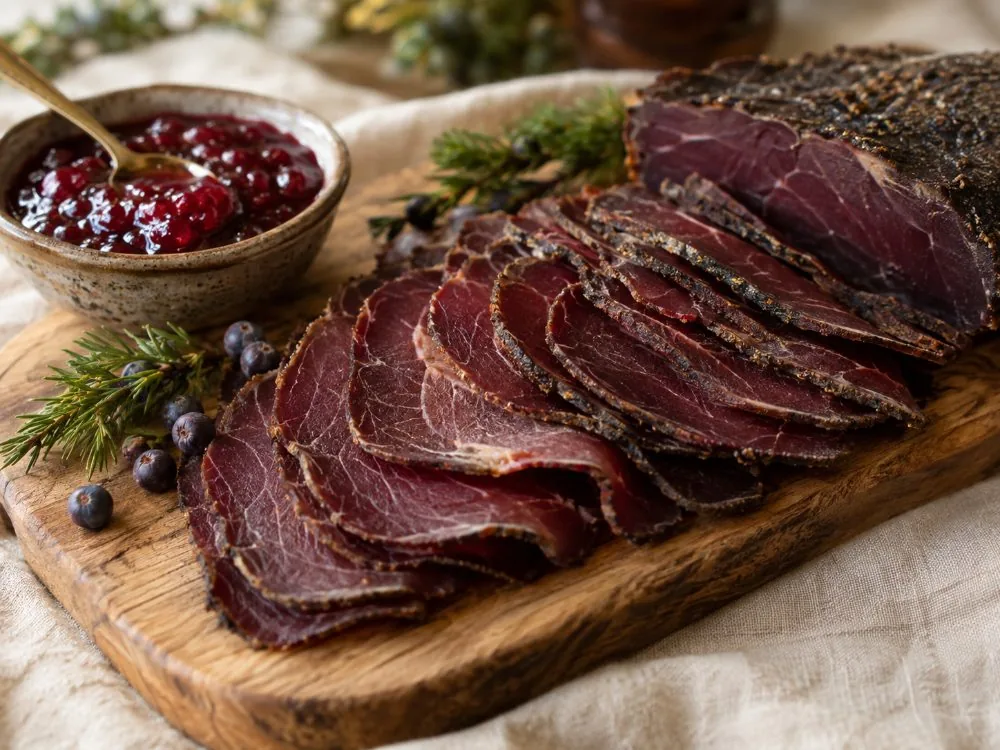
If you ask a Finn to name Finnish food you will get a list of regions dressed as dishes. Poro, reindeer, is Lapland: cold-smoked on a board here, sautéed with mash and lingonberry as poronkäristys up north. Karjalanpiirakka, the thin rye crust with rice porridge inside eaten with munavoi, egg butter, is Karelia. Leipäjuusto is Ostrobothnia and Lapland. Muikku, the little fried vendace, is lake country. Silli, pickled herring, and the cured and cold-smoked salmon are coast.
That is not a criticism of Helsinki and it is not a gap in the country's cooking. It is what happens when a capital sits at the bottom of a long thin nation with one harbour and one railway hub. Everything travelled here. It still does, and the aisle of Vanha Kauppahalli is the place you can see the whole map laid out on counters in about ninety seconds of walking.
The bread and the sourness
Start with ruisleipä, because everything else sits on it. Dark sourdough rye, sour and dense, often baked in a ring with a hole so it could hang on a pole to dry through a long winter. Finns eat more rye than almost anyone. If you understand why a nation builds its bread around a grain that grows in a short cold summer, you have understood most of the rest of the larder: preserving, smoking, souring and drying, done because the year only gives you a few good months. More on rye.
The forest is a free shop
Mustikka, the wild bilberry that English calls blueberry, is small and dark all the way through rather than pale inside. It is picked free from any forest under everyman's right, baked into mustikkapiirakka and pressed into juice. Lakka, cloudberry, is the amber one from northern bogs and it turns up beside warm squeaky cheese. Lingonberry sits next to meat by default. Berry season runs roughly July to September, with cloudberries earlier and briefer than bilberries. Wild blueberries.
What Helsinki does own
Coffee. Finland drinks more of it per head than any other country on earth, around 12 kg of beans per person per year, which is eight or nine cups a day for the heavy end of the population. The default is light-roast filter, drunk black or with milk, all day long. The coffee break has a name, kahvitauko, and it is a normal part of a working shift rather than an indulgence. Next to it goes the korvapuusti, cardamom and cinnamon, cut and pressed so the layers fan out, literally a slapped ear. Coffee and a bun is the closest thing this city has to a national meal, and it is the one item on the board that did not travel here from somewhere else. Why Finns drink so much.
The sweet nobody warns you about
Salmiakki is salty liquorice, flavoured with ammonium chloride, and it is sold as a sweet, an ice cream, a chocolate filling and a spirit. It is the tasting that divides every group. I have no interest in telling you that you will love it. I do think you should try it once, with somebody standing there who can tell you what is in it, which is precisely the argument for taking a guided walk at all.
How Finns actually eat
Breakfast is savoury and plain: rye bread, cheese, cold cuts, cucumber and tomato, porridge, viili or yoghurt, boiled eggs, coffee. Hotel buffets add salmon and berries. Lunch is early, roughly 11am to 1pm, and many places serve a set weekday lunch and stop when it is gone. Dinner is early too by southern European standards, commonly between about 5pm and 7pm, and small kitchens close earlier than visitors expect. Sunday is quiet and a lot of counters shorten their hours. Tap water is excellent and free everywhere. Alcohol above roughly 8% is sold only in Alko, the state monopoly, which keeps shop hours and shuts early on Saturday and all day Sunday. Breakfast and how alcohol works here.
Why this matters before you book anything
Because it tells you what a Helsinki food tour is honestly selling: a tasting of Finland, not a tasting of Helsinki. That is the accurate description and it is also the reason a guided walk earns its place. Nobody orders six unfamiliar provincial things on their own in an expensive city. The short ranked list of what to chase is on the must-eat page, and what each tour actually hands you is on the what-you-eat page.
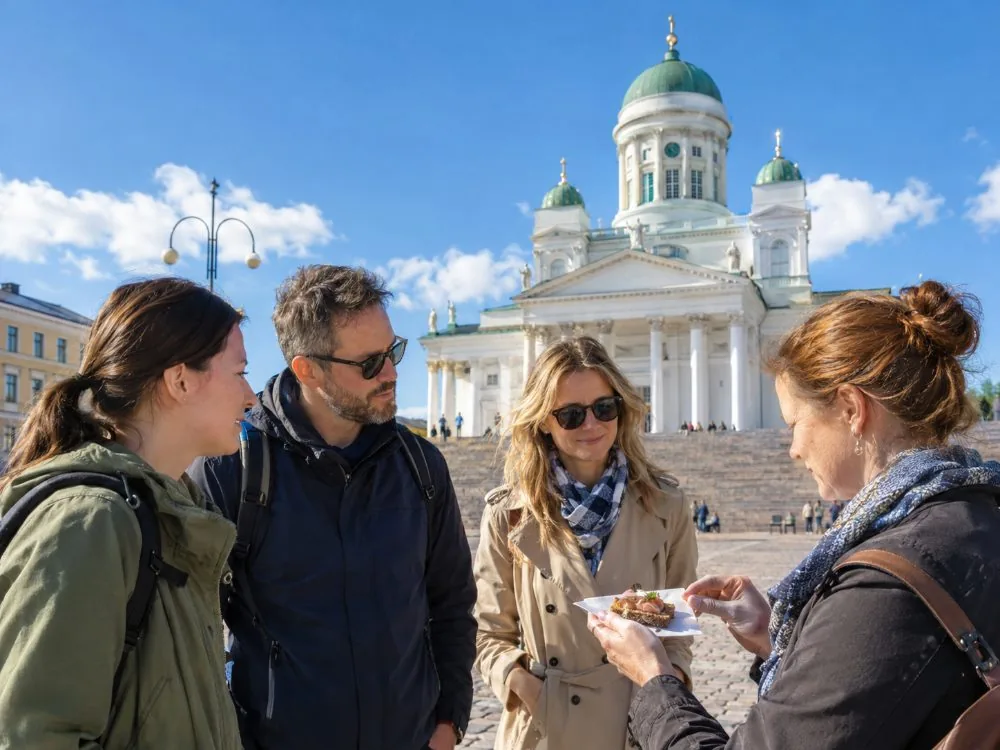 Cathedral and the Old Market Hall
Helsinki: City Tour with Food Tasting
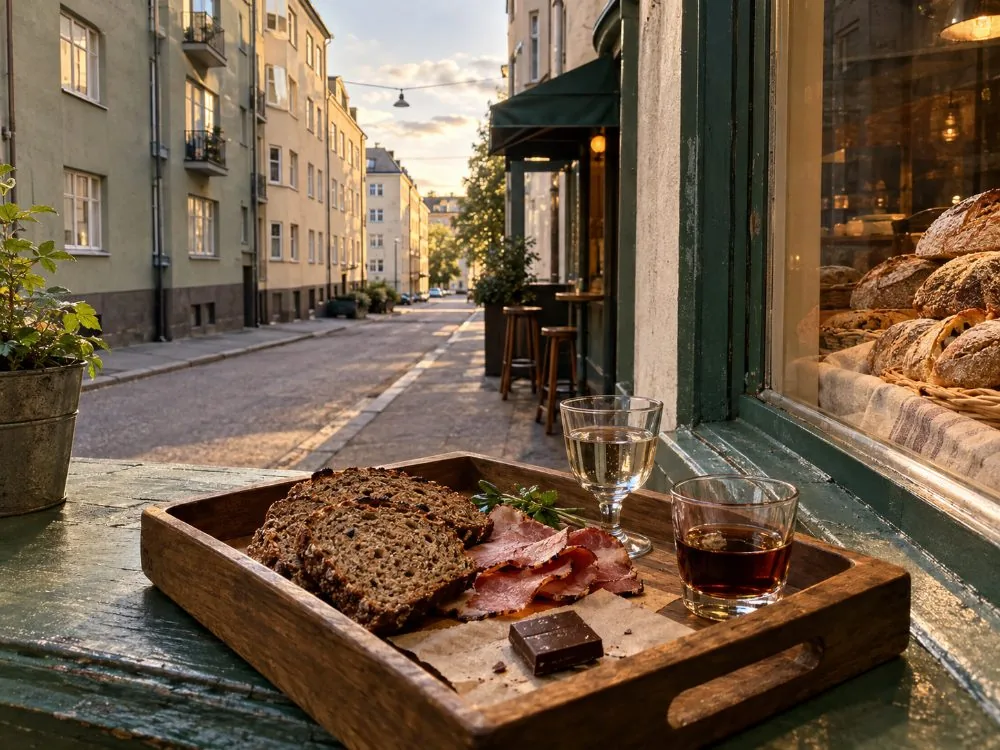 Eight local delicacies
Helsinki: Authentic Food Tour with 8+ Local Delicacies
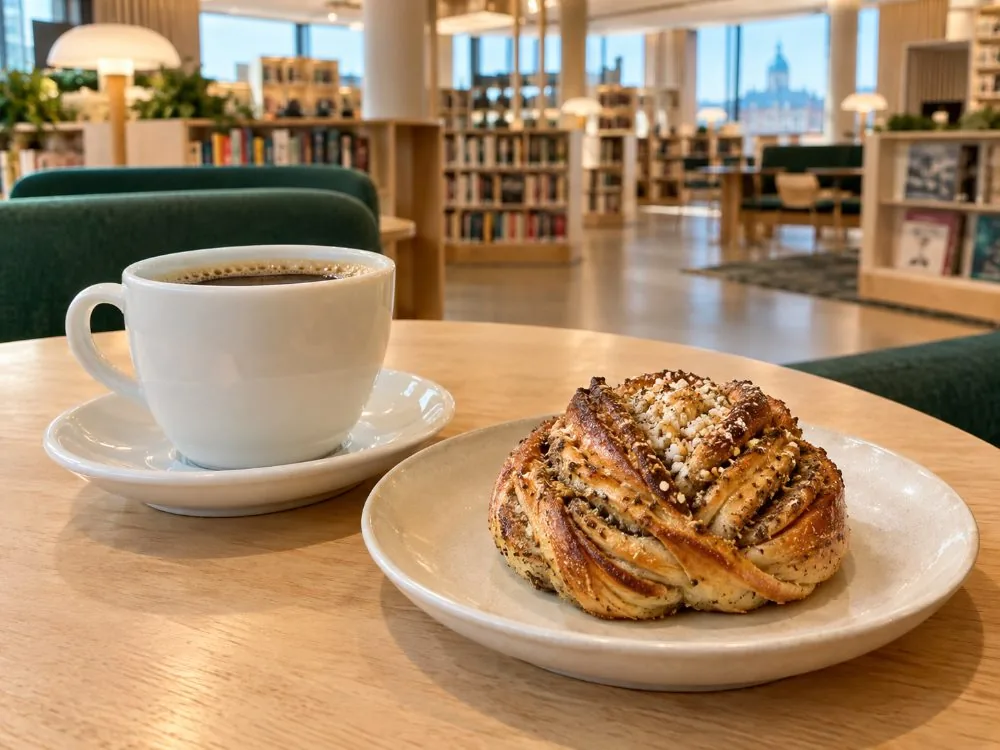 Coffee culture and Oodi
Helsinki: City Tour with Finnish Food Tasting & Coffee Culture
One thing worth repeating, because I was asked it most days at the counter: neither market hall charges you to come in. Vanha Kauppahalli and Hakaniemen Kauppahalli are buildings, not attractions, and the door is open to anybody. What you book on this site is the guide who walks you between the counters and knows which of the three salmon is the one you actually want. The halls with a guide, and the Old Market Hall on its own.
Frequently asked questions
What food is Helsinki famous for?
Helsinki is famous for gathering the rest of Finland: reindeer from Lapland, Karelian pies from Karelia, squeaky cheese from Ostrobothnia, vendace from the lakes. What the city itself owns is the coffee habit and the cardamom bun beside it. More on what Helsinki is known for.
Is Finnish food bland?
It is restrained rather than bland, and it is built around sour, smoked and preserved rather than hot. Sourdough rye, cold-smoked fish, cured meat, lingonberry against fat, salty liquorice at the far end. Nothing about salmiakki is bland: see for yourself.
What do Finns actually eat every day?
Rye bread, coffee, porridge, salmon soup, meatballs, Karelian pies from the supermarket, and a set weekday lunch eaten between about 11am and 1pm. Breakfast is savoury and plain, dinner comes early, and the tasting board you meet on a tour is the special-occasion version of a fairly plain everyday larder: where locals eat.
Why does a Helsinki food tour serve Lapland food?
Because that is what Finnish food is, and Helsinki is where it arrives. The harbour and the railway pulled every province into one city, and the market halls are where it still lands. That is the honest description, not a complaint: the hall that proves it.